





How to comply with waste disposal laws in Knightsbridge
Posted on 18/08/2026
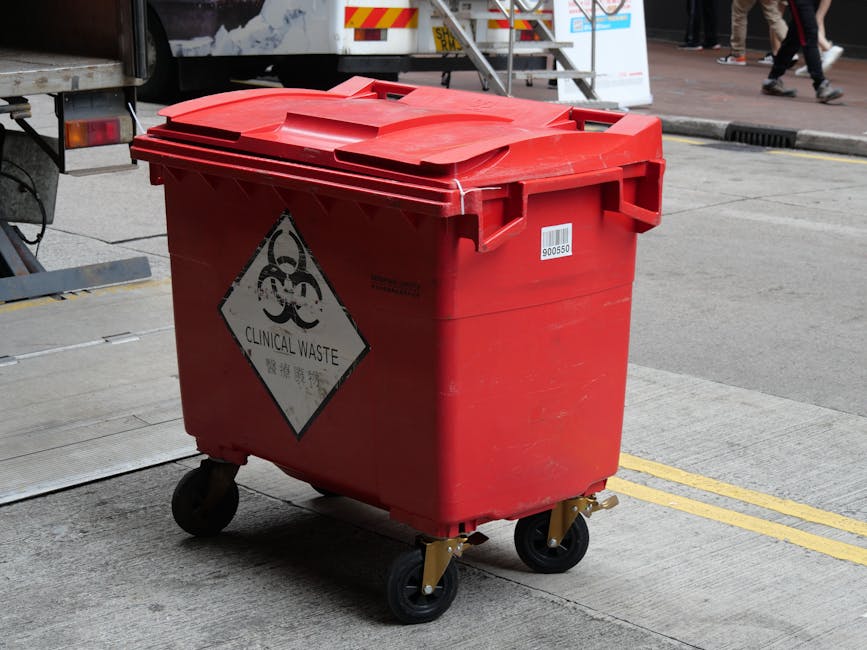
How to Comply with Waste Disposal Laws in Knightsbridge
If you manage rubbish in Knightsbridge, you quickly realise it is not just a matter of loading bags into a van and hoping for the best. Between duty of care, recycling expectations, skip and pavement permissions, and the realities of a busy central London neighbourhood, how to comply with waste disposal laws in Knightsbridge comes down to getting the details right every single time. That matters whether you are clearing a mews house, refurbishing a flat, running an office, or just trying to get rid of a bulky item without causing a headache for the council or your neighbours.
This guide breaks the process into plain English. You will see what compliance means in practice, how the usual steps work, where people slip up, and how to stay on the right side of local rules without overcomplicating things. Let's face it, waste law sounds dry until the wrong bin ends up on the pavement or a contractor cannot prove where the waste went.
Why How to comply with waste disposal laws in Knightsbridge Matters
In Knightsbridge, waste compliance is about more than avoiding a fine. It protects shared entrances, keeps narrow streets usable, reduces fly-tipping risk, and helps you avoid awkward conversations with building managers, neighbours, or a managing agent who has already had enough for one week.
The area has a very specific rhythm. Delivery vans, hotel traffic, luxury retail, mansion blocks, private service roads, and limited kerb space all make waste handling less forgiving than in a quieter suburb. A bag left in the wrong place can block access, attract pests, or breach local expectations about placement and timing. And if a contractor takes waste away without proper handling, the responsibility does not magically disappear. In many cases, the producer of the waste still carries duties if paperwork or checks were weak.
That is why compliance is not just a legal box-tick. It is a practical safeguard. It protects your property, your reputation, and, honestly, your weekend. Nobody wants to spend Saturday morning dealing with a complaint because plasterboard, old furniture, or garden cuttings were left out too early.
If you want a broader view of the services commonly used for lawful clearance, it can help to review the company's services overview alongside the specific job you need done.
How How to comply with waste disposal laws in Knightsbridge Works
At a practical level, compliance usually follows a simple chain: identify the waste, separate it properly, choose the right collection method, check who is handling it, and keep evidence that it was removed lawfully. That is the short version. The real world is a bit messier, of course.
Here is how it tends to work in Knightsbridge:
- You classify the waste. Mixed household rubbish, bulky items, builders' waste, garden waste, electricals, and commercial waste often follow different handling expectations.
- You make sure it is stored safely. Waste should not obstruct pavements, fire exits, lobbies, loading bays, or shared access routes.
- You choose the correct disposal route. This may mean council collection, licensed removal, or a skip arrangement where permissions are in place.
- You check the paperwork. For business waste especially, records matter. For domestic jobs, you still want proof of who collected it and where it went.
- You keep an eye on local access rules. Knightsbridge streets can be unforgiving if a collection blocks traffic, creates noise at the wrong hour, or needs access planning for basement flats and mews properties.
One useful way to think about it: compliance starts before the van arrives. If you have already sorted the waste into sensible groups, confirmed collection access, and checked whether a permit is needed, the rest is smoother. Much smoother.
For homes and flats, this often connects neatly with broader clearance planning. A few readers also find it useful to look at house clearance in Knightsbridge or waste clearance in Knightsbridge when they are dealing with a larger volume than one or two bin bags.
Key Benefits and Practical Advantages
Doing waste disposal properly can feel like extra admin, but the upside is real. The biggest benefit is peace of mind, and in a place like Knightsbridge that is worth a great deal. There is also less chance of disputes, fewer delays, and fewer surprise costs from having to redo a job after it has already gone wrong.
- Lower legal risk: You reduce the chance of fines, enforcement issues, or being linked to fly-tipping.
- Better building relations: Porters, concierge teams, landlords, and managing agents are far happier when collections are tidy and predictable.
- Cleaner recycling outcomes: Separating wood, metal, green waste, electricals, and mixed waste improves recovery options.
- Less disruption: Proper planning means fewer blocked entrances, fewer complaints, and less time waiting around.
- Clear records: That matters if you are a business or if someone later asks what happened to the waste.
There is a quieter benefit too. When waste is handled well, the whole place feels better. Less clutter in a service corridor, fewer bags sitting in the rain, fewer smells drifting up from the kerb. It sounds small, but in central London small things add up fast.
If sustainability is part of your thinking, the company's page on recycling and sustainability is a sensible next stop.
Who This Is For and When It Makes Sense
Waste compliance in Knightsbridge is relevant to more people than you might think. It is not only for builders or landlords with full refurbishments underway. Truth be told, even a modest clear-out can trigger the same rules if access is tight or the waste type is awkward.
- Homeowners and tenants clearing lofts, basements, garages, or bulky household items
- Landlords and letting agents dealing with end-of-tenancy waste or abandoned furniture
- Estate managers and concierge teams responsible for shared spaces and service access
- Businesses and offices disposing of desks, packaging, IT equipment, and confidential materials
- Builders and trades handling rubble, timber, plasterboard, and renovation debris
- Gardeners and property owners removing green waste after seasonal work
It also makes sense whenever you are not sure who owns the waste once it leaves the property. If there is any uncertainty at all, do not assume it is fine. Check first. That tiny pause can save a very annoying day later on.
For more context on local living and property-related pressure points, some readers also browse local advice for Knightsbridge or property dealings in Knightsbridge, especially when they are juggling clearance around a sale or refurbishment.
Step-by-Step Guidance
If you want the most practical route to compliance, follow these steps in order. It is not glamorous, but it works.
- Identify the waste type. Separate household rubbish, bulky items, electrical items, green waste, and construction waste. Mixed loads are where confusion starts.
- Check whether anything needs special handling. Paints, batteries, fridges, fluorescent tubes, chemicals, and some electricals can require more care than ordinary rubbish.
- Confirm access and timing. In Knightsbridge, think about loading bay restrictions, concierge hours, narrow entrances, lift access, and noise sensitivity.
- Decide on the disposal method. Council collection may suit some bulky items. Private licensed removal may be better for speed, mixed waste, or awkward access.
- Ask who is collecting the waste. Use a provider that can explain what happens to the load, not just how quickly they can get there.
- Keep records. For business waste, retain paperwork and disposal details. For domestic jobs, keep the invoice or job confirmation.
- Check the site after collection. Make sure no debris, screws, broken glass, or packaging has been left behind. A quick scan is worth it.
There is a simple test I like here: if you would feel comfortable explaining the waste trail to a building manager, you are probably on the right track. If not, slow down and tidy up the process. Easy enough in theory, but worth doing.
Expert Tips for Better Results
A few small habits make waste compliance much easier in this part of London.
- Sort first, collect second. Even rough sorting saves time and reduces the chance of a mixed-load problem.
- Take photos before removal. Helpful for property managers, end-of-tenancy situations, or jobs where everyone remembers things differently later.
- Build in access time. Knightsbridge access can be slower than it looks on paper. A van may be nearby, but the route to the property might be a different story.
- Ask about permits early. If a skip or pavement occupation is involved, do not leave this until the last minute.
- Keep fragile or sharp materials separate. Broken glass, nails, and metal strips are easy to miss and unpleasant to deal with.
- Use a service that understands London buildings. Basement flats, shared mews access, concierge rules, and restricted parking all change the job.
One small but useful trick: label piles or bags by room or category. It sounds almost too simple, but it keeps everyone honest when the collection window arrives and the flat still looks like a half-finished puzzle.
For jobs where access is especially tricky, the article on access problems and solutions is worth a look, and so is common flat clearance fixes.

Common Mistakes to Avoid
Most compliance problems are surprisingly ordinary. They happen when people are rushed, distracted, or trying to save a bit of time. That usually ends up costing more, not less.
- Leaving waste on the pavement too early. This can obstruct access and create complaints quickly.
- Mixing prohibited items into general rubbish. Batteries, gas canisters, and hazardous materials need special care.
- Assuming every removal company works to the same standard. They do not. Ask direct questions.
- Forgetting about permits. Skips, pavement placement, and some work zones can require permission.
- Not checking documentation. A quick invoice is not always the same thing as proper disposal evidence.
- Underestimating access. A glamorous Knightsbridge address can still have a very awkward service entrance. Fancy postcode, tricky stairs. Happens all the time.
One of the easiest mistakes to make is treating all waste as if it is one category. It is not. Once you start thinking in terms of material type, handling needs, and collection route, everything becomes clearer.
If you are dealing with bulky items specifically, the guide on bulky waste rules in Knightsbridge is a practical companion piece.
Tools, Resources and Recommendations
You do not need a pile of specialist software to stay compliant. Usually, a few simple tools and good habits are enough.
- Basic waste inventory: A short list of what is going out, how much there is, and whether anything needs special handling.
- Photo log: Before-and-after photos help with handovers, disputes, and property management.
- Collection notes: Keep dates, times, the type of waste, and any access instructions in one place.
- Building rules: Concierge instructions, loading restrictions, and service hours can save a lot of trouble.
- Clear quotes: Ask for clarity on labour, access, loading time, and what is included.
For readers comparing services, the pages on pricing and quotes and insurance and safety are useful because they help you judge not just cost, but confidence. That matters more than people sometimes think.
And if you need a sense of how the business presents itself, about the team can be a helpful trust signal before you hand over responsibility for a job.
Law, Compliance, Standards, or Best Practice
Waste disposal in the UK sits inside a framework of legal duty, local expectations, and common-sense site management. In practice, the main point is simple: the person producing the waste, and often the person arranging its removal, needs to take reasonable steps to ensure it is handled lawfully.
In plain English, that usually means:
- using a responsible collection route
- avoiding fly-tipping or careless dumping
- keeping waste away from public obstruction points
- checking that contractors are properly set up to handle the job
- retaining records where the waste is business-related
For Knightsbridge specifically, local conditions make best practice especially important. Tight streets, shared entrances, and premium residential or commercial buildings increase the chance that a badly planned collection causes disruption. A permit issue may not sound dramatic until a skip is sitting where a delivery vehicle should have been, or a concierge is calling because bags have blocked the service door.
Best practice is usually more demanding than the bare minimum. That is a good thing. It keeps things moving, keeps neighbours happier, and makes your job easier the next time. If a provider has a clear process for lawful disposal, recycling where possible, and safe handling, that is generally a better fit than the cheapest, vaguest option on the table.
For larger or more specialised projects, it can help to look at service pages such as builders waste disposal, office clearance, or garden waste removal so the method matches the waste type.
Options, Methods, or Comparison Table
Choosing the right disposal route is often where compliance is won or lost. Here is a simple comparison of the most common options.
| Method | Best for | Compliance strengths | Watch-outs |
|---|---|---|---|
| Council bulky waste collection | Single large items or smaller household clear-outs | Simple route, familiar local process | May be slower, less flexible on timing |
| Licensed private waste removal | Mixed waste, tight deadlines, awkward access | Flexible and easier to coordinate with buildings | Quality varies, so check credentials and process |
| Skip hire | Building work, larger volumes, staged projects | Good for ongoing jobs when set up properly | Permissions, space, and placement issues can arise |
| Self-haul to a facility | Smaller loads and people with time, transport, and know-how | Direct control over the trip | Time-consuming and not always practical in central London |
In Knightsbridge, the private removal route is often the easiest when access is awkward or the job needs to happen quickly. Skip hire can work very well too, but only when the location, permission, and space are right. If not, it turns into a slightly stressful parking puzzle. Nobody needs that.
For readers comparing collection approaches, how to avoid urgent collection delays is a useful reality check.
Case Study or Real-World Example
Here is a realistic example based on a typical Knightsbridge clearance pattern.
A resident in a managed flat needed to clear out a loft room after a renovation. The load included old shelving, broken storage boxes, a small appliance, mixed household waste, and a few bags of dusty clutter that had been up there for years. Nothing dramatic, but a bit of a mess. The building had limited service access, a strict morning loading window, and a concierge who quite reasonably wanted everything planned in advance.
The compliance-friendly approach was straightforward:
- separate electrical items from general waste
- keep sharp and dusty materials bagged securely
- confirm the collection time with the building team
- make sure the removal crew knew about stair access and parking limits
- keep the invoice and collection details after the job
The result was tidy, fast, and uneventful in the best possible way. No blocked entrance. No complaints. No mysterious pile left by the bin store. Just a clean space and a relieved resident. Honestly, that is what good compliance looks like most of the time: boring, neat, and over before lunch.
For similar jobs, pages like loft clearance in Knightsbridge, same-day rubbish collection, and waste clearance on Sloane Street show the sort of local access and timing issues people often face.
Practical Checklist
Use this checklist before any clearance or disposal job in Knightsbridge.
- Have I identified every waste type in the load?
- Have I separated electricals, hazardous items, and recyclables where possible?
- Do I know whether the collection needs a permit, skip approval, or building permission?
- Have I checked access hours, loading restrictions, lift use, and parking limitations?
- Have I confirmed who is taking the waste and how it will be handled?
- Do I have the invoice, confirmation, or disposal record saved?
- Have I made sure the area will be clear and safe after removal?
- Have I checked whether the job needs insurance cover or additional safeguards?
If you can tick all of those off, you are in good shape. If not, pause and sort it now rather than trying to patch it later. That is usually where the stress disappears.
Get a free quote today and see how much you can save.
Conclusion
Complying with waste disposal laws in Knightsbridge is really about doing ordinary things well: sorting waste, using the right route, respecting access rules, and keeping clear records. The area's layout and pace make shortcuts risky, but the good news is that a calm, methodical approach solves most problems before they start.
If you are dealing with a one-off household clear-out, a commercial move, or a more complex renovation job, the safest path is the same: plan early, ask sensible questions, and choose a disposal method that matches the waste and the building. It sounds straightforward because, mostly, it is. The tricky part is remembering to do the straightforward things under pressure. We all forget now and then.
When the process is handled properly, you get more than legal compliance. You get less mess, fewer delays, and a far smoother experience for everyone involved. And in Knightsbridge, that goes a long way.



 Tipper Van - Junk Collection and Rubbish Removal Prices in Knightsbridge, SW1
 Luton Van - Junk Collection and Rubbish Removal Prices in Knightsbridge, SW1